Free US stock put/call ratio analysis and sentiment contrarian indicators for market timing signals and sentiment assessment. We monitor options market activity to understand when markets might be too bullish or bearish and due for a reversal. We provide put/call ratio analysis, sentiment contrarian signals, and market timing indicators for comprehensive coverage. Time the market with our comprehensive sentiment analysis and contrarian indicators tools for contrarian investing. A recent NPR discussion examined two critical societal challenges: the potential for Chinese artificial intelligence to address economic inequality, and the growing financial risks posed by dementia. The segment highlighted how these seemingly separate issues intersect, particularly as AI systems are increasingly deployed in financial services and elder care.
Live News
A recent NPR feature explored the dual themes of Chinese AI’s capacity to reduce inequality and the financial toll of dementia. The discussion noted that China has invested heavily in AI development, aiming to use technology to bridge income gaps and provide public services more efficiently. However, the report also raised questions about whether AI could inadvertently exacerbate inequality if access or benefits remain uneven.
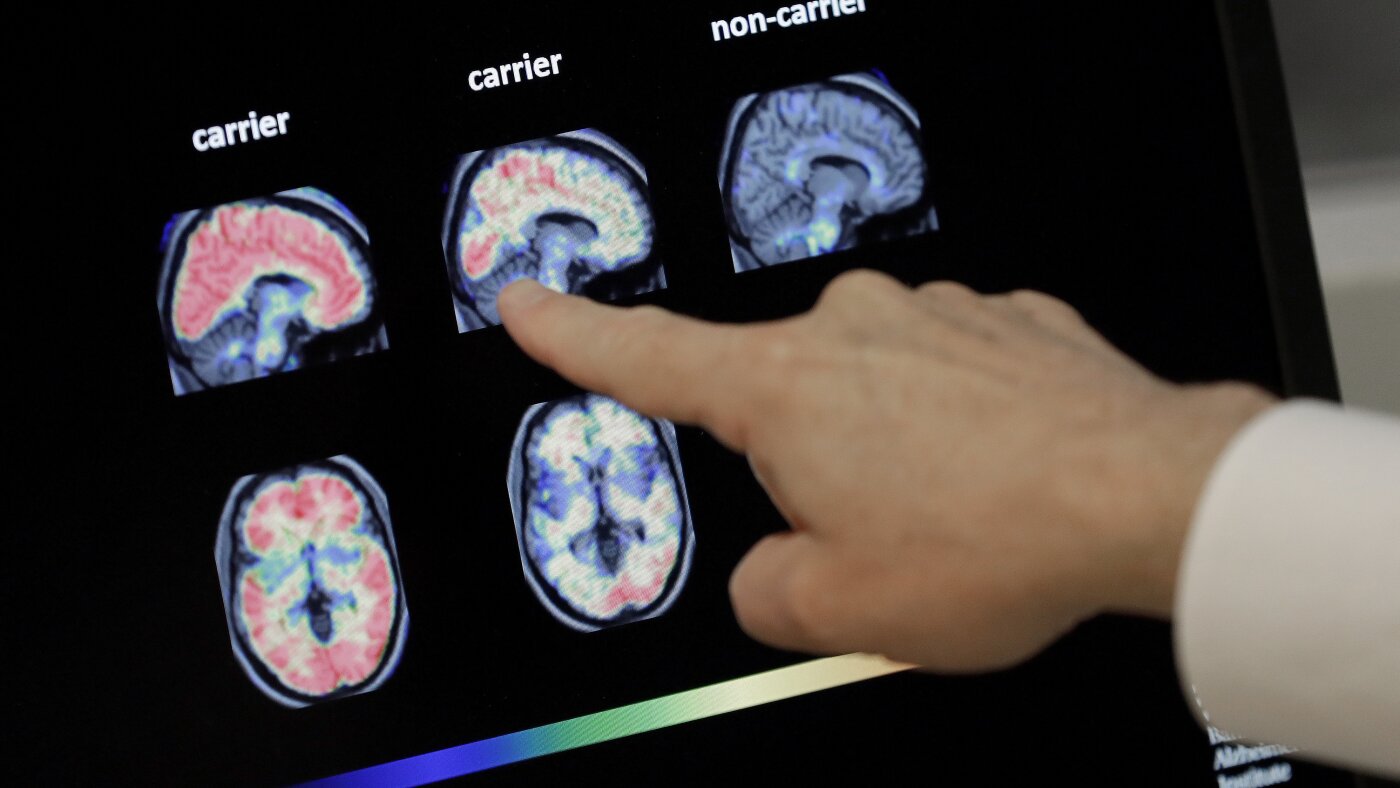
On the dementia front, the segment highlighted the gradual cognitive decline that can lead to significant financial mismanagement. As the global population ages, untreated dementia symptoms may result in missed bill payments, susceptibility to scams, or poor investment decisions. The NPR piece underscored that banks and financial institutions are only beginning to develop tools to detect early warning signs.
No specific earnings data or corporate announcements were cited in the discussion, as the focus was on broader societal implications rather than individual company performance.
Chinese AI and Dementia: Exploring Technology’s Role in Financial VulnerabilityMany investors now incorporate global news and macroeconomic indicators into their market analysis. Events affecting energy, metals, or agriculture can influence equities indirectly, making comprehensive awareness critical.Real-time updates allow for rapid adjustments in trading strategies. Investors can reallocate capital, hedge positions, or take profits quickly when unexpected market movements occur.Chinese AI and Dementia: Exploring Technology’s Role in Financial VulnerabilityMany investors underestimate the psychological component of trading. Emotional reactions to gains and losses can cloud judgment, leading to impulsive decisions. Developing discipline, patience, and a systematic approach is often what separates consistently successful traders from the rest.
Key Highlights
- Chinese AI initiatives aim to leverage machine learning for public services and resource allocation, potentially reducing inequality in healthcare, education, and financial access.
- Dementia’s impact on financial decision-making is a growing concern, with estimates suggesting millions of older adults may be at risk of losing savings or facing exploitation.
- The intersection of these topics raises questions about whether AI can help identify cognitive decline early, allowing families and financial advisors to intervene before significant harm occurs.
- Critics note that AI systems themselves can be biased, and if not carefully designed, they might widen existing disparities rather than close them.
- Financial regulators in several regions have begun exploring guidelines for AI use in banking, particularly regarding vulnerable populations.
- The NPR segment did not provide specific statistics or case studies, focusing instead on the conceptual challenges and potential policy responses.
Chinese AI and Dementia: Exploring Technology’s Role in Financial VulnerabilityInvestors these days increasingly rely on real-time updates to understand market dynamics. By monitoring global indices and commodity prices simultaneously, they can capture short-term movements more effectively. Combining this with historical trends allows for a more balanced perspective on potential risks and opportunities.The increasing availability of analytical tools has made it easier for individuals to participate in financial markets. However, understanding how to interpret the data remains a critical skill.Chinese AI and Dementia: Exploring Technology’s Role in Financial VulnerabilityInvestors often rely on a combination of real-time data and historical context to form a balanced view of the market. By comparing current movements with past behavior, they can better understand whether a trend is sustainable or temporary.
Expert Insights
The NPR discussion did not include named experts or proprietary research, but the themes align with broader academic and policy debates. Some analysts suggest that AI-driven monitoring of spending patterns could offer early alerts for cognitive decline, though privacy concerns remain significant. Others caution that over-reliance on AI in financial planning may disadvantage individuals who lack digital literacy—potentially the same groups most vulnerable to inequality.
In the context of Chinese AI, observers note that the country’s state-led approach allows for rapid deployment of large-scale systems, but transparency and accountability mechanisms are still evolving. The potential for AI to reduce inequality rests on whether it can be deployed equitably, a question that remains unresolved.
For investors and financial institutions, these developments suggest a long-term shift toward more personalized risk assessment tools. However, without specific data or regulatory guidance, the near-term impact on financial markets is uncertain. The NPR segment serves as a reminder that technology’s role in society carries both promise and peril, particularly when addressing complex human vulnerabilities.
Chinese AI and Dementia: Exploring Technology’s Role in Financial VulnerabilityThe increasing availability of commodity data allows equity traders to track potential supply chain effects. Shifts in raw material prices often precede broader market movements.Cross-market monitoring is particularly valuable during periods of high volatility. Traders can observe how changes in one sector might impact another, allowing for more proactive risk management.Chinese AI and Dementia: Exploring Technology’s Role in Financial VulnerabilityReal-time data is especially valuable during periods of heightened volatility. Rapid access to updates enables traders to respond to sudden price movements and avoid being caught off guard. Timely information can make the difference between capturing a profitable opportunity and missing it entirely.